Water Purifier Service Mewat @ 8506096743

Doorstep RO Repair, Installation & AMC in Mewat
Select Service
Choose your package


Repair
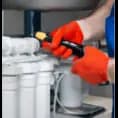
- •Complete RO system inspection and diagnosis
- •Repair of pump, SMPS, membrane and filters
Service
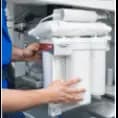
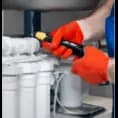
- •Professional RO water purifier service
- •Experienced technician visit

Installation
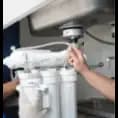
- •Professional RO installation at your home
- •Connection with water inlet and drain line
Un-installation
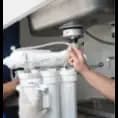
- •Safe removal of RO water purifier
- •No damage to wall or plumbing
AMC Plan 1
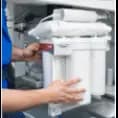
- •Three scheduled preventive RO maintenance services
- •Basic inspection of filters, membrane and internal parts
AMC Plan 2
- •Three periodic RO servicing visits during AMC period
- •Complete system cleaning and internal inspection
AMC Plan 3
- •Three professional maintenance services in a year
- •Inspection of sediment filter, carbon filter and membrane
AMC Plan 4
- •Three preventive maintenance visits for RO purifier
- •Complete internal system cleaning and sanitization
AMC Plan 5 (CAMC)
- •Three scheduled preventive RO servicing visits
- •Additional service visit available with prior intimation
AMC Plan 6 (CAMC)
- •Comprehensive AMC plan with multiple maintenance visits
- •Includes replacement of major filters and RO membrane
If your RO water purifier in Mewat is acting up right now, it is usually not a random problem. The symptoms you notice on the tap or storage tank point to the exact stage that is failing: pre-filters, carbon filters, RO membrane, UV/UF, pump/SMPS, or the solenoid and float controls. When you call Water Purifier Care India (WPCI), a technician typically diagnoses in the same order as these symptoms, so the fix is faster and more accurate.
Bad taste, smell, or salty water: which part is likely failing
Start with what the water tastes or smells like. Salty taste often means the RO membrane is not rejecting TDS properly, so dissolved salts are passing through. Bad smell can come from a carbon filter that is exhausted, or from stagnant water in the line/tank when the system is not flushing correctly. Sour or unusual taste can also happen when sediment has built up and water is not flowing smoothly through the stages.
Salty taste after a few days of “normal” use: RO membrane likely exhausted or damaged by scaling
Smell of chlorine/chemical: carbon filter likely exhausted or bypassing
Musty smell from stored water: tank not cleaned, or UV/UF not working properly (if present)
Taste changes after monsoon: pre-filter clogging and higher turbidity stressing the system
Taste is fine but TDS is high on your meter: membrane rejection issue is most likely
Slow RO output or low water pressure: check these before calling
Slow filling is one of the most common RO issues in Mewat because many homes depend on borewell or overhead tanks with fluctuating pressure, especially during peak hours. A technician first checks inlet pressure and then the filter stages that physically block flow.
RO storage tank not filling even though the motor starts: clogged pre-filter or low inlet pressure
Water comes out, but very slowly: sediment pre-filter choke or carbon filter clog
Motor runs longer than usual: RO membrane scaling causing higher resistance
Only first cup is fast, then it slows: line pressure drop, partially clogged membrane housing or filter
No water at all: check inlet supply, non-return/solenoid function, and float valve operation
Leakage, dripping, and wet casing: what a technician inspects
Leakage is not only messy; it also reduces RO performance and can damage electrical parts. In a proper service visit, the technician inspects for leaks by stage: fittings, filter housings, RO membrane housing, and the drain line. Then they check whether the leak is continuous (control/valve related) or only during RO reject/drain flow (often filter housing or drain connection).
Leak from filter housing joints: usually O-ring or housing seal needs replacement
Leak from membrane housing: membrane housing seal or crack in the housing
Water near electrical compartment: check for seepage through tubing and loose connectors
Drips only during rejection/drain: drain elbow/tube connection likely loose
Persistent wet floor with no visible line: check under tank and check-valve/solenoid area
Noise, frequent on-off cycling, or no water: electronics and controls
Some problems look like “water” issues but are actually control or electrical issues. A RO system should not keep cycling continuously. Technicians check the SMPS/pump, float valve, and solenoid valve (SV) because these decide when the system fills, flushes, and stops.
Loud buzzing or grinding: pump mechanical wear or dry run from low inlet supply
Motor starts and stops repeatedly: float valve stuck or tank level control issue
No RO water but tap water feed is present: solenoid valve fault or blocked flow path
UV light not turning on (if your model has UV): UV lamp end-of-life or power supply issue
Power fluctuations (common in some areas of Mewat): SMPS protection may trip and restart
What happens during a RO service visit (typical steps)
Confirm the symptom: taste/odour, flow rate, leakage points, noise, and whether TDS has changed
Check inlet supply and pressure: especially for borewell/overhead tank setups
Inspect pre-filters and carbon stage: look for clogging and change status if exhausted
Test RO rejection indirectly: measure output TDS (if your TDS meter is available) and check membrane condition
Check controls and electricals: float valve, solenoid valve, pump/SMPS, and drain/reject line connections
Clean and flush the system: remove sediment build-up and ensure correct flow through stages
How service cost and repair decision are decided in Mewat
The cost depends on what the technician finds, not just the brand. For example, replacing filters is different from correcting a damaged RO membrane, and electrical repairs depend on whether the problem is pump/SMPS, wiring, or a control valve. Whether the unit is “worth repairing” depends on the age of the RO membrane, how severe the scaling/sediment damage is, and whether multiple stages have failed together. In many cases, Water Purifier Care India (WPCI) fixes the root stage first, then verifies performance with flow and output quality checks before recommending further parts.
Stage / component | What the technician checks in your symptom | Typical outcome if it is failing |
|---|---|---|
Sediment pre-filter | Flow rate, clogging, turbidity impact | Slow output; replacement often needed |
Carbon filter (if present) | Odour/taste, filter saturation | Bad smell or taste; replacement often needed |
RO membrane | TDS rejection, scaling damage | Salty taste/high TDS; membrane usually needs replacement |
UV/UF (if present) | Lamp/UV power or cartridge condition | Musty/stale smell risk; component replacement may be needed |
Pump / SMPS / SV / float | Noise, cycling, filling-stop behavior, drain/reject flow | No water, continuous running, or leakage; specific part repair/replacement |
When you should not DIY this problem
You can do basic checks, but some tasks should be left to a technician. Do not open the electrical compartment, do not try to bypass the solenoid/float controls, and do not disconnect the drain/reject plumbing without correct re-routing. If there is leakage from the membrane housing or electrical parts are getting wet, stop and call for a safe service visit.
Do not open wiring or change SMPS yourself
Do not reuse damaged O-rings or force housings tight (risk of future leaks)
Do not run the RO without proper inlet pressure for long periods
If TDS is high and taste is salty, do not keep using and “wait”
If the system is continuously running, do not ignore the float/solenoid issue
Next sensible step: tell the technician your exact symptom (taste/smell, slow output, leakage point, or noise) and share how long it has been happening. With that, the service visit in Mewat usually moves straight to the correct stage—filters, membrane, or controls—so you get clean water again without repeated guesswork.

Why Choose Us for water purifier service
in Mewat — Reliable, Fast & Professional
Doorstep Service
Technician visits your location for service
Service Visit in 48 Hrs
Guaranteed service visit in 48 hours for any request
Authorized Technicians
Trained technicians for high quality service and repairs
High Quality Repairs
Only high quality spare parts used for repairs
Videos
4Frequently Asked Questions
Find answers to common questions about our services
We Also Serve for Following Queries
RO Water Purifier Service Experience In Mewat
Being a resident of a polluted city like Mewat is itself a big challenge. On the one hand, in a city like Mewat, we might have so many facilities, but on the other hand, very basic amenities like clean drinking water can be challenging at times. Having a RO water purifier is essential in Mewat and knowing about the RO water purifier service scenario in Mewat more essential. In this article, we will try to uncover all these reasons. We will try to learn ways to know more about RO repair or installation in Mewat.
Water Purifier Service Mewat
As we already know that if you live in Mewat, especially in a locality where clean drinking water is a myth, then you must own one or plan to own a RO water purifier in Mewat. Now you would wonder how you would come to know about the RO water purifier service in Mewat. The answer is through a little bit of research in your locality, market, and internet. Ask in your locality in Mewat if anyone uses a water purifier. If yes, what brand model and from where they have purchased the same in Mewat. Also, ask them about the service centre experience in Mewat. If possible, visit the nearby shop which sells RO water purifiers and get to know the amount of TDS in the supplied water in your Mewat locality.
If the above ways don’t work for you, then the last resort is the internet. For those who are more of an internet guy and have a smartphone with data or Wi-Fi in Mewat, then get on to it. Start searching using keywords like best water purifier brands in Mewat with your locality. If you want to know about the after-sales service, then search for water purifier service Mewat. To be more specific, you can even search with a water purifier service near me in Mewat to get relevant results which hold in your locality.
We offer following RO services: -
- RO Repair Service
- RO Installation
- RO Annual aintenance Contract AMC)
- RO Uninstallation
About RO Water Purifier Service -
RO Service Charges | Start rom Rs. 399/- |
Service Duration | 1 - 2 Hours |
RO Water Purifier Service No. | 8506096743 |
RO Service Mewat
Now since we know about what brand to look for, it's time to buy the RO water purifier from a showroom in your vicinity in Mewat. Once purchased, you can take the product home, but RO installation can only be done by the service engineer from the manufacturer in Mewat. RO water purifiers are maintenance hungry products; you might experience an RO repair within a year of buying the same in Mewat. There are filters, membranes, etc., which are replaced or repaired regularly in Mewat.
So based on your research and the brand's goodwill, you will experience the RO Service Mewat service centre. You can also find out your brand's service center near your Mewat locality by searching the same on the internet. You have to type your brand name and then RO service near me. This will return you to the genuine service centre with contact details. You can then call the brand's RO service centre Mewat number and get to know all the details, queries, and complaints if any. Mewat service centre can also inform you about the AMC service package and charges.
Conclusion
So, in the end, we can say that RO repair and RO installation are as important as buying a new RO in Mewat. Without the after-sales service and maintenance, RO water purifiers are no good for use in Mewat. We should own one in a city like Mewat, where clean drinking water is a challenge, especially in times of a pandemic.
How Often Should You Need RO Water Purifier Service -
Every 4-6 month to keep your RO water purifier in good condition. |
When the TDS level of water higher than 10-15%. |
When you sense bad taste or smell in filtered water. |
Why you preferred us for RO water purifier service -
- Genuine Price Guarantee - We charges 30% lower compare to other RO service provider
- Expert Technician - We have only expert trained RO technician.
- High Quality RO Service - We are committed to provide best water purifier service to our costumes
- Convenient - Our customer can book RO repair service from the comfort of their home by calling at our RO service center number.